Consumers Are Cutting Spend, but Not on Safety: New Survey Unpacks the Rise of the Anxiety Economy
Amid inflation, tariffs, and concerns about AI-driven job loss, consumers are feeling increasingly uneasy about their financial future. To better understand how Americans are responding, Life360 conducted a national survey of 1,000 U.S. adults to explore current economic sentiment and spending decisions.
The results show a clear emotional undercurrent: 71% of Americans feel economically vulnerable, and two-thirds describe the economy as “uncertain.” That unease is growing; 64% say their anxiety has increased since the start of the year.
While 65% report cutting back on spending, the bigger shift is in how people are choosing to spend. Many are moving their money toward comfort and peace of mind, redefining what counts as essential in today’s economic climate.
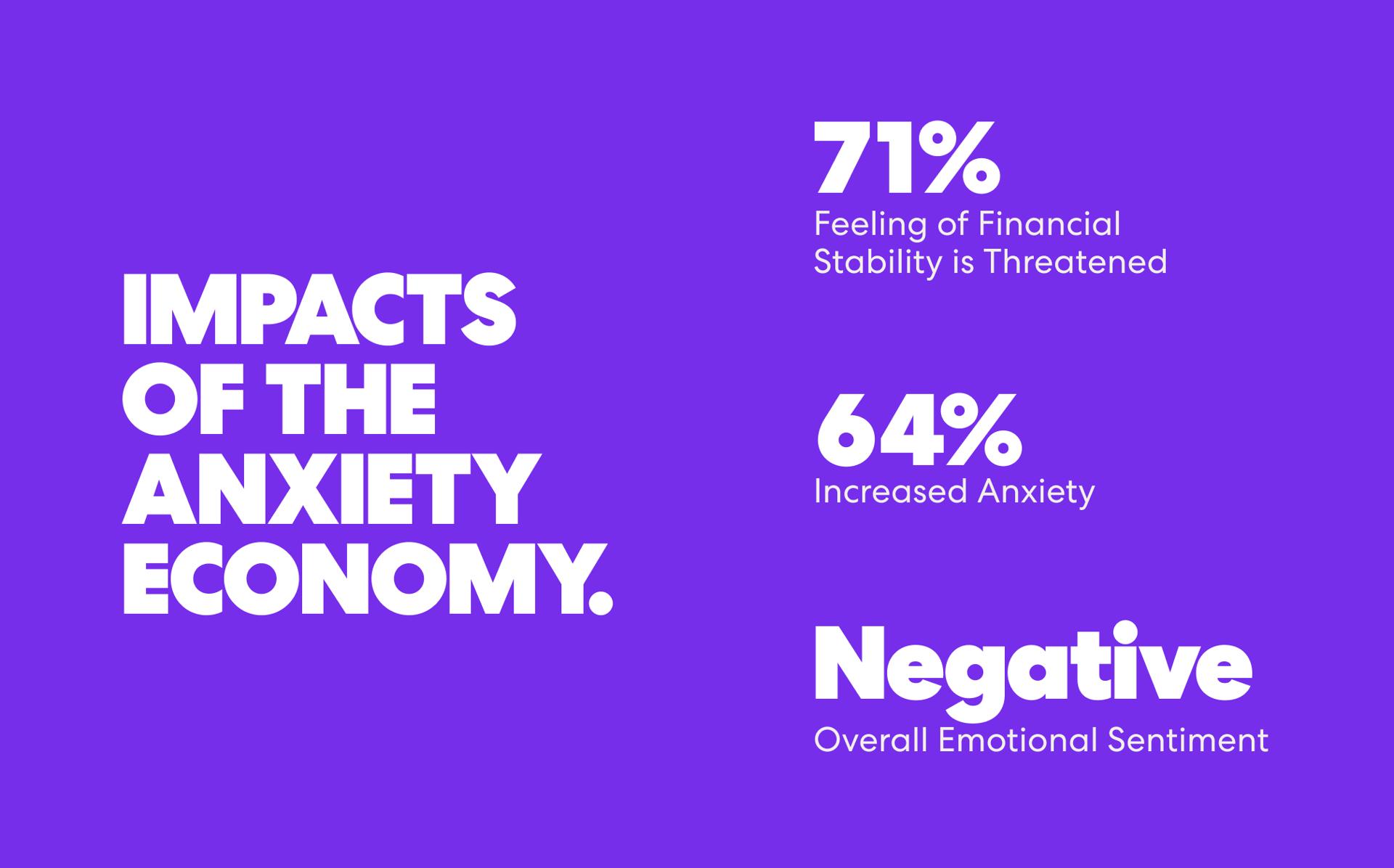
What is the Anxiety Economy?
The findings point to an emerging trend described as the Anxiety Economy, a shift where people are making emotionally driven trade-offs and holding onto the tools that help them feel safer, more in control, and less anxious.
“Uncertainty is quickly emerging as the economy’s buzzword for 2025,” says Life360 economist Aaron Terrazas. “Over one in three Americans report that they have experienced uncertainty or difficulty at work recently – a figure that is even higher among younger Americans. In moments of elevated economic uncertainty, the premium on security increases: Investors seek safe assets, businesses prioritize safe investments, and families double down on peace of mind. The Anxiety Economy surges during these historical moments when risks are elevated and the future feels cloudy. As economy-watchers have seen repeatedly over the past few years, shifting vibes take on a life of their own – and have very real downstream consequences for where households spend and how businesses invest.”
The New Spending Hierarchy
When asked to evaluate nine everyday expense categories, consumers said they’re most likely to cut back on dining out, online shopping, travel, and tech gadgets, with streaming services not far behind. But one category stood out: safety and security services, including features like emergency alerts for loved ones, home security notifications, and digital threat protections. It was the only expense where people were more likely to say they’re investing more (21%) than cutting back (20%). That puts safety ahead of categories like education and even fitness and wellness subscriptions when it comes to what people are protecting. In fact, Life360 found that nearly 8 in 10 Americans are more likely to invest in safety during times of turmoil, and that peace of mind is driving real trade-offs.
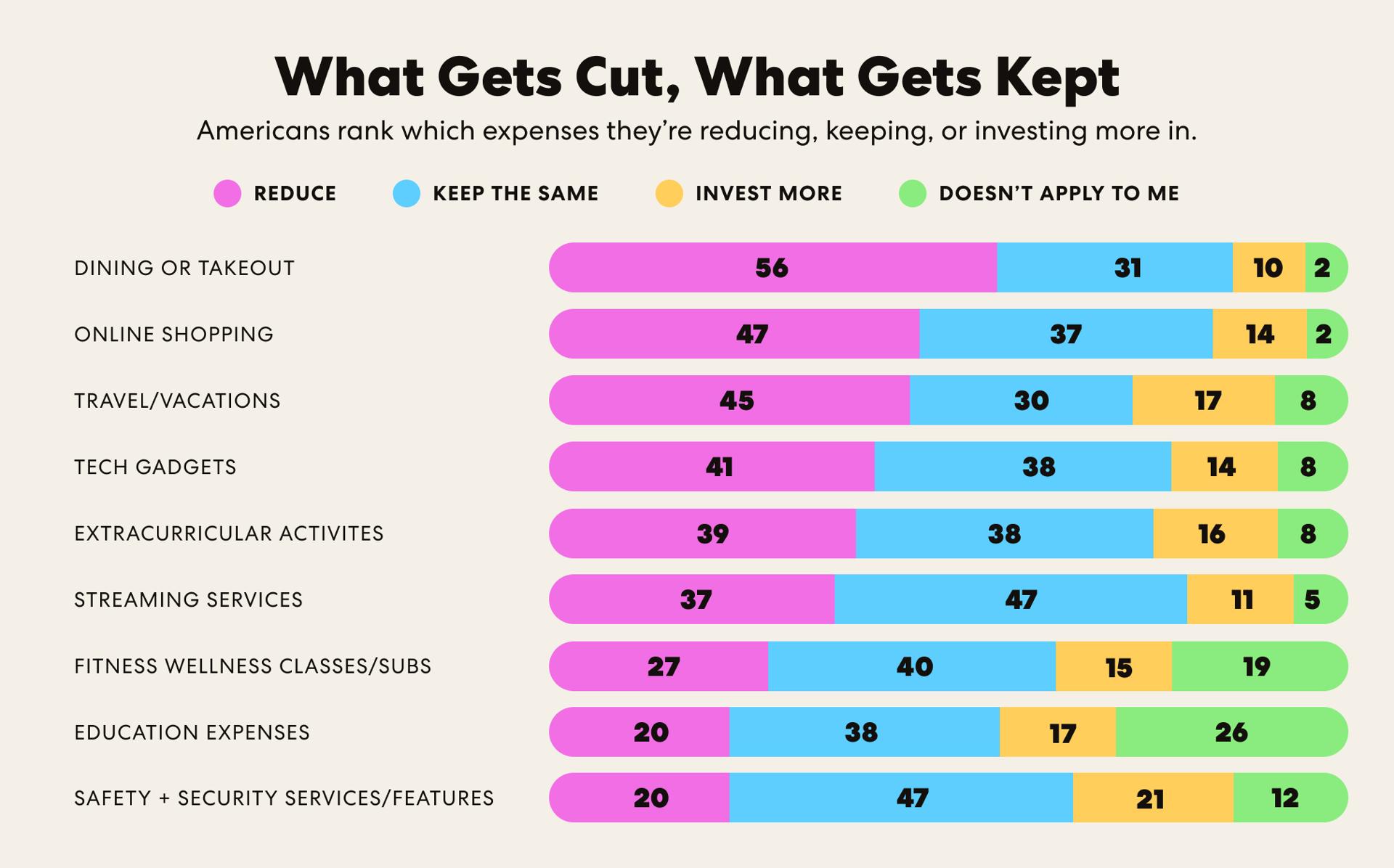
High inflation over the past few years, plus the fear that inflation could remain high or even reaccelerate in the coming months, is prompting families to take a closer look at their budgets,” says Life360 economist Aaron Terrazas. “Whenever the economic outlook has darkened, Americans have prioritized needs over wants. But the details of what types of spending fall into the needs bucket, and what falls into the wants bucket, evolve with each new generation.
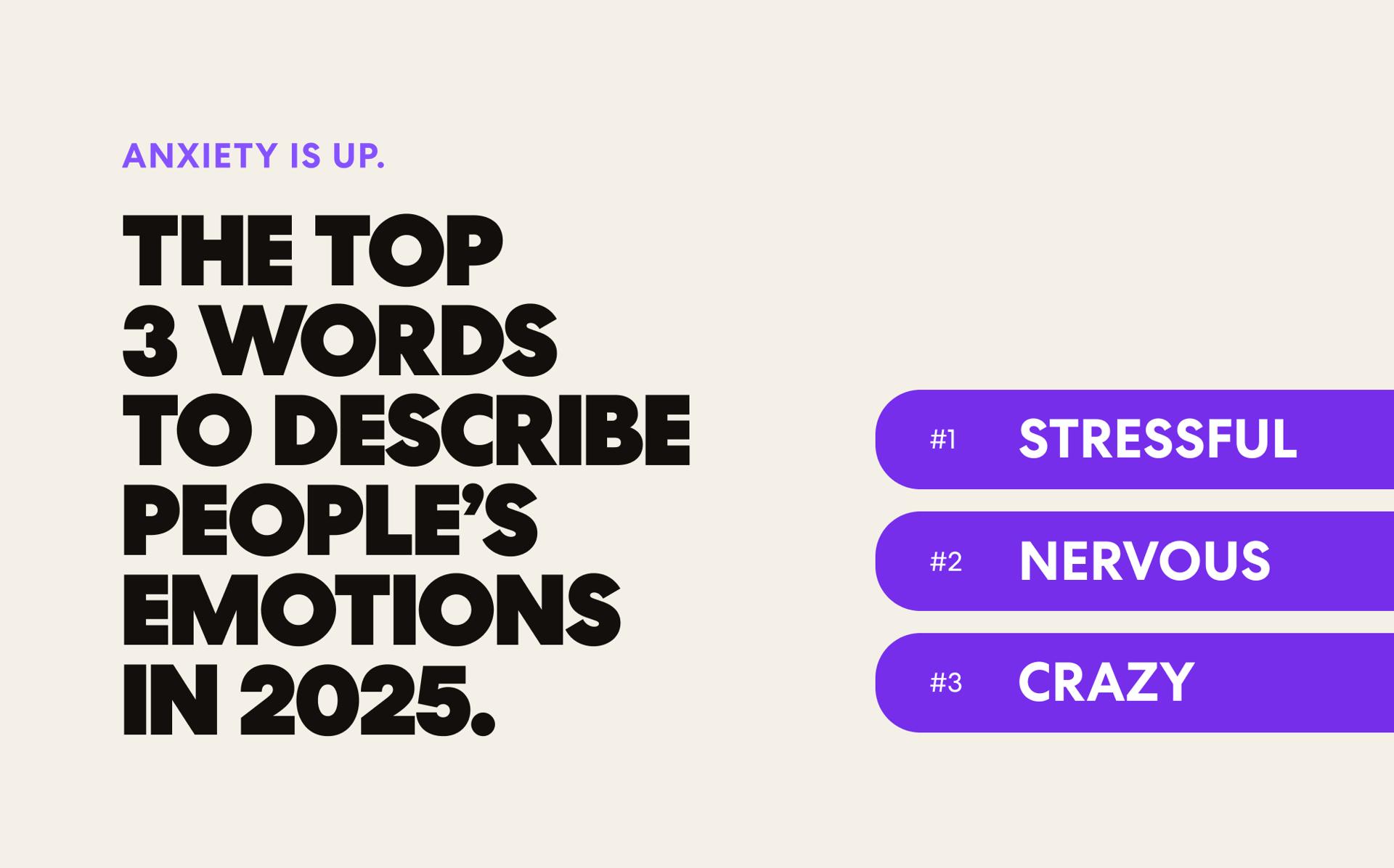
A Generational Divide: Safety vs. Self-Care
What Americans prioritize isn’t just shifting — it’s splitting along generational lines.
When asked to rank their spending priorities after covering essentials like food and housing, Gen Z and Millennials consistently placed safety and security at the top, while Gen X and Baby Boomers prioritized health and wellness instead.
“Research shows that our formative economic experiences shape our long-term attitudes toward risk and uncertainty,” said Terrazas. “The long echoes of pandemic-era uncertainty are clear in generational divides when it comes to what people prioritize in an uncertain world.”
In short, younger generations aren’t just tech-native — they’re anxiety-native, and their spending reflects it.
Consumers Rethink Their Subscriptions
Apps and subscription services are among the most popular discretionary spending categories, with 94% of Americans paying for at least one. The average monthly spend on apps sits around $73 for individuals and $96 for parents. However, those surveyed also expressed a desire to cut their app subscription budget by at least 23% (for individuals) and 31% (for parents).
But even as many look for ways to cut back, certain types of apps are emerging as the most protected, with safety tools and streaming services tied for first place.
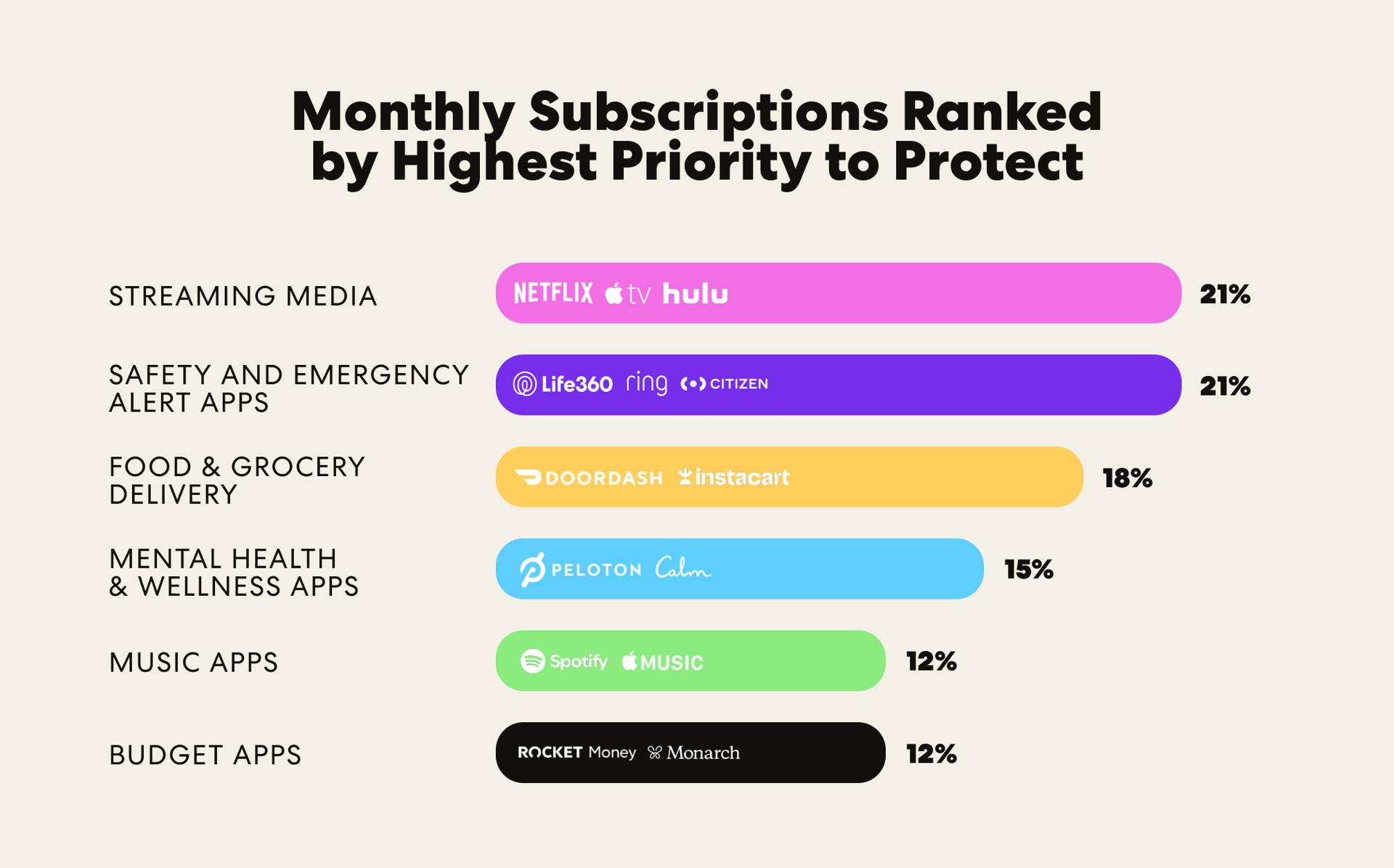
Among parents, safety apps consistently rank as the most essential, outranking every other category, including streaming, music, delivery, wellness, and budgeting tools.
But it’s not just a preference; multiple data points confirm that peace of mind is what families fight to keep.
40% of parents describe safety and emergency alert apps as “non-negotiable” — more than any other category
55% of parents and 43% of individuals say they’d fight to keep location sharing because it helps them feel safer and more in control
What Emotional Spending Really Looks Like
When the world feels unpredictable, people aren’t just protecting practical tools; they’re holding on to what makes them feel better, whether that’s security and control or an escape. Customers ranked streaming services like Netflix and Hulu as the subscriptions they’re least likely to cut, along with apps that provide safety or peace of mind.
82% are willing to pay more for products that provide peace of mind
88% say knowing their family is safe improves their well-being
When asked how they’d spend an extra $100 in their tech budget, the average American would put roughly 20% toward safety and security apps. In short, safety is leading the pack, but there’s a broader shift toward tech that supports well-being, everyday functionality, and connection.
Parents Are Doubling Down on Peace of Mind
The research shows this shift is even more pronounced among parents. From juggling pickups and work meetings to keeping tabs on teen drivers or aging relatives, today’s families are navigating more stress, and they’re turning to safety tech to stay sane.
85% of parents are interested in spending more on technology that makes their family safer
Families with school-aged kids (ages 6-10) are spending the most on safety features and services
And parents are leading the adoption of key tools like crash detection, roadside assistance, and location sharing
These aren’t fringe behaviors. They’re part of a larger cultural shift in which safety is no longer just about emergencies—it’s about everyday peace of mind.
More Than a Moment, It’s a Shift in Essentials
The Anxiety Economy isn’t a trend. It’s a reflection of how modern families are navigating an unpredictable world. From solo commutes to teen drivers, keeping tabs on pets and aging parents, or monitoring their homes, families are increasingly integrating digital safety tools into their daily routines.
“Safety tech is now a staple, not a splurge,” said Chris Hulls, Co-Founder and Chief Executive Officer of Life360. “Families are cutting back on everyday conveniences, but they’re not willing to sacrifice tools that help them feel safer, more connected, and more in control. Peace of mind is one thing they’re still willing to pay for.”
In the Anxiety Economy, peace of mind is the new utility, and families are budgeting for it like they do electricity or Wi-Fi.
# # #
Survey Methodology:
This sample of 1,000 US adults (aged 18-65) was surveyed on June 9th, 2025. Sampling was calibrated to obtain representative demographics by age, gender, race/ethnicity, and parental status. DKC Analytics conducted and analyzed this survey with a sample procured using the Pollfish survey delivery platform, which delivers online surveys globally through mobile apps and the mobile web, along with the desktop web. No post-stratification has been applied to the results.