Wandering can be deadly for the growing number of US Alzheimer's patients. Here's how families can manage it.

candy candy // Shutterstock
Wandering can be deadly for the growing number of US Alzheimer's patients. Here's how families can manage it.
As America's population ages, rates of Alzheimer's disease diagnoses are rising. One consequence of the degenerative brain disorder is wandering, which can be dangerous—and sometimes deadly—for those struggling with short- and long-term memory loss.
Alzheimer's is the most common form of dementia and is characterized by a loss of cognitive function over time. According to the Centers for Disease Control and Prevention, individuals with the disease may show signs of memory loss, poor judgment, and mood changes. Patients are prone to losing items and money and have a hard time completing everyday tasks for themselves. People with Alzheimer's may even experience a gradual decline or become confused and have trouble recognizing family members or familiar environments over time.
The number of people with the disease is expected to more than double in the next 40 years, from in 2020 to around 14 million in 2060, according to the Alzheimer's Association.
A 2021 Capital Caring Health and WebMD national survey found that while want to age in place, the prevalence of Alzheimer's and the risk of wandering can put them in danger. Wandering can occur at home, outside, or whenever a person with Alzheimer's leaves a safe environment or the oversight of a caregiver. Six in 10 people with dementia will wander at least once, but many do so repeatedly, the Alzheimer's Association reported. Vulnerable adults who lack supervision are at risk of getting lost or being taken advantage of without their medication, money, or family guidance.
Wandering is often triggered by restlessness, boredom, fear, or agitation. Alzheimer's patients may not be aware of their surroundings, which puts them at risk of getting lost, falling, or even ingesting harmful substances. Wandering can also be accidental: An adult can leave their house to go to the grocery store but get lost along the way.
Tragically, the effects of wandering can be fatal. In an analysis of over 300 newspaper reports published in the journal BMC Geriatrics in 2011, researchers at the University of Florida found that who went missing were found dead the following day. Older adults who wander risk dehydration, exacerbating medical concerns, exposure to extreme and prolonged cold or heat, or being hit by a car.
Tile examined CDC data and peer-reviewed research to illustrate the scope of Alzheimer's, the dangers of wandering, and the steps families can take to protect their loved ones.
HOW TO FIND LOST THINGS
Use a Bluetooth Tracker to find lost: Purses, Backpacks, Wallets, Keys, Luggage, Pets and more.
What to do after an Alzheimer's diagnosis
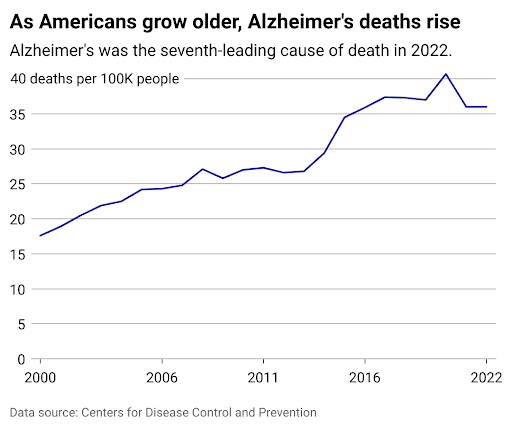
In 2022, the CDC reported with Alzheimer's died due to the disease, making it the seventh-leading cause of death in the United States.
People with Alzheimer's may also be prone to sundowning,
which refers to a difference in behavior that occurs during the later half of the day. Hallucinations, mood swings, or delusions make sleeping difficult and magnify any chronic distress, leading patients to want to escape their environment and wander.
It's important to remember the risk of wandering may clash with an older adult's wish to maintain an independent lifestyle. These conflicts may aggravate the stress of the situation for both Alzheimer's patients and their caregivers.
After an Alzheimer's diagnosis, experts encourage family members to immediately talk to the patient about getting involved in decisions about their home and lifestyle. While this may cause friction, being proactive can help protect Alzheimer's patients' well-being in the long run.
The National Institute on Aging suggests of an Alzheimer's patient to be as safe as possible. To prevent patients from falling, homes with staircases need handrails and safety grips or carpets on the stairs. Any small step-ups or electrical cords that could cause someone to trip need to be removed. Any harmful products, such as cleaners or paint thinner, should be removed or inaccessible. The NIA also advises caregivers to remove any upholstery with busy patterns that might overwhelm a patient with Alzheimer's, as overstimulation can trigger wandering.
KEEP TRACK OF EVERYTHING
Find misplaced things nearby and far away with Tile trackers and the Life360 app that works on both iOS and Android.
To prevent Alzheimer's patients from wandering away while respecting their need for independence and movement, the NIA suggests that caregivers provide safe wandering environments, like a garden or a clear walking path. Since boredom and restlessness can cause wandering, caregivers can build an encouraging environment that involves daily tasks and creative projects to help engage them and pass the time. Caregivers should also implement a security and GPS tracking system in the patient's home and car that allows loved ones to monitor them from afar.
The risk of wandering is a reality for Alzheimer's patients and their loved ones. Yet with the proper tools and a support system in place, caregivers can reduce the dangers it can bring.
LOCATE YOUR CAR QUICKLY
Tired of losing your car in the parking lot? Stop the search with the Tile for Cars car tracker.
Story editing by Alizah Salario. Additional editing by Kelly Glass. Copy editing by Janina Lawrence. Photo selection by Clarese Moller.