Why Does My Dog Run Away? Causes, Prevention & GPS Tracking
Summary
What this article covers: The main reasons dogs run away, including emotional triggers, instincts, boredom, and medical or age-related factors, along with practical steps to prevent escapes and what to do immediately if your dog goes missing, including how GPS tracking can help speed up recovery.
Who it’s for
Pet parents whose dog has bolted, escaped the yard, or dashed out the door
People with newly adopted dogs or recently relocated dogs still adjusting
Anyone trying to prevent escapes before they happen
Pet parents looking for GPS and tracking solutions to keep their dog safe
Key Takeaways
Dogs run away for emotional, instinctual, and environmental reasons, not because they don't love you.
Separation anxiety, loud noises, mating instincts, and boredom are the most common escape triggers.
Reliable recall training, secure containment, and proactive enrichment are your best prevention tools.
Spaying or neutering reduces roaming behavior in approximately 90% of dogs.
A GPS tracker like Life360 Pet GPS keeps your dog visible on your family's shared map so you can act fast if they escape.
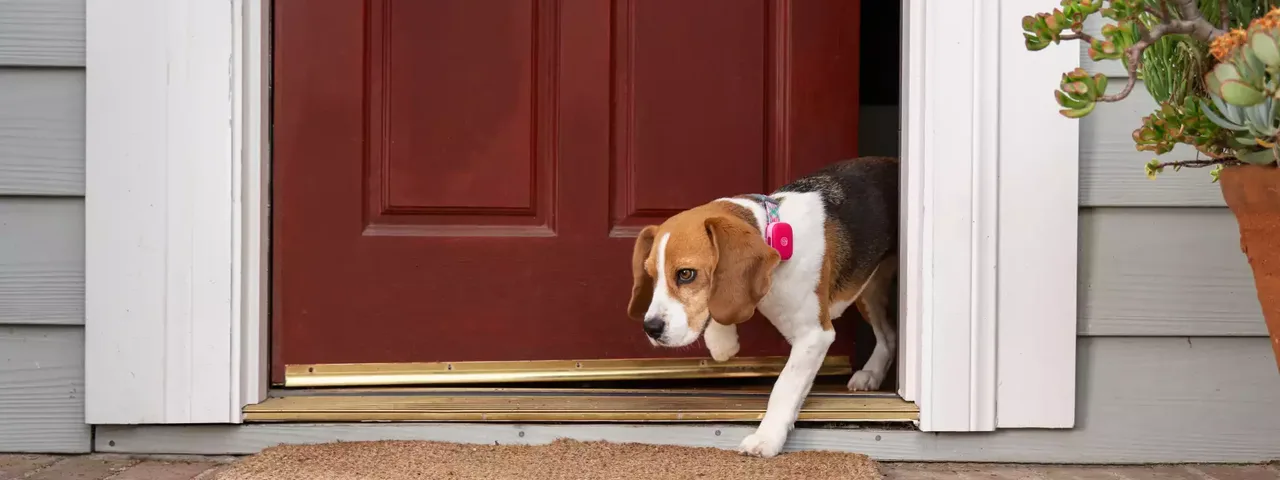
You heard the door click. You turned around. Your dog is gone. It happens in seconds. A delivery shows up, a gate gets left open, a thunderstorm rolls in, and suddenly you're in the driveway calling their name while your stomach drops. If your dog has ever made a run for it, you know the panic. And you're probably wondering why.
Here's the reassuring truth: your dog running away is almost never about you. It's about instinct, environment, and needs that haven't been fully met. Figuring out why your dog keeps escaping is the first step toward stopping it.
Training helps. GPS is the backup plan.
Life360 Pet GPS gives you your dog’s real-time location the moment they bolt, so you’re not starting from zero.
Why Dogs Run: The Main Categories
Dogs run away for a handful of core reasons that fall into three broad buckets: emotional triggers (fear, anxiety), biological drives (mating instincts, prey drive), and unmet needs (boredom, lack of exercise). Some dogs escape because of one clear trigger. Others have several things working against them, like boredom, pent-up energy, or mating instincts. Then all it takes is an open gate.
Age matters, too. Young dogs run because they haven't learned yet. Older dogs sometimes wander because of cognitive decline, hearing loss, or pain-related confusion. Newly adopted dogs sometimes run because they haven't fully adjusted to their new home yet. Knowing where your dog falls helps you target the right fix.
Separation Anxiety
A dog with separation anxiety doesn't bolt because they want adventure. They bolt because being apart from you feels genuinely distressing, and leaving seems like the only way to fix it. These dogs typically run the moment you leave. They're not exploring the neighborhood; they're trying to find you.
Signs of separation anxiety include destructive behavior near exits, excessive barking or whining when alone, and pacing before you leave. If your dog shows these patterns, it's worth talking to your veterinarian or a certified veterinary behaviorist. Separation anxiety is a medical condition, and the solution often involves a combination of behavior modification and, in some cases, medication. Not just more training.
Loud Noises and Startle Responses
Around one in five lost pets goes missing after a loud noise. Fireworks are the most common culprit, but thunder, construction sounds, backfiring cars, and even a loud fan can push a fearful dog into full escape mode. When that happens, your dog isn't thinking clearly. They're responding to a biological alarm telling them to get away from the threat as fast as possible.
If loud noises are a known trigger for your dog, the time to prepare is before the noise, not during.
Keep your dog inside with windows and doors secured on nights with fireworks or when storms are forecasted. Creating a safe, quiet space in an interior room with a white noise machine or music playing can help. For dogs with severe noise phobias, your vet can walk you through desensitization protocols and may suggest anti-anxiety medication to take the edge off during high-risk events.
Mating Instincts and Other Dogs
Dogs reach sexual maturity around six months of age. From that point on, an intact dog can pick up the scent of a mate from remarkable distances and will work hard to act on it. Research consistently shows that intact male dogs are roughly 90% more likely to escape than neutered ones. Getting your dog spayed or neutered is one of the most effective things you can do to reduce roaming, and the impact shows up quickly.
If you're in a neighborhood with other dogs, especially other intact animals, that pull is even stronger. Spaying or neutering removes most of that urgency. For dogs that have already developed a habit of escaping, the pattern may continue even after the procedure, which is why addressing it as early as possible makes a real difference.
Boredom and Hunting Instincts
Bored dogs often find their own entertainment, and sometimes that means trying to get out. When your dog doesn't get enough physical exercise or mental stimulation, the world outside the yard starts to look extremely interesting by comparison. Scent trails, squirrels, the sound of kids playing two streets over. All of it becomes an invitation.
Dogs with high prey drives are especially vulnerable. A squirrel darting across the fence line or a rabbit in the yard can trigger a chase response that overrides everything your dog has been trained to do. For these dogs, off-leash time in unsecured spaces should be limited until recall is rock solid. Breeds like huskies, beagles, border collies, and terriers are particularly prone to chasing and wandering, though any dog can be motivated by the right scent on the right day.
Enrichment is a genuine prevention tool here. Daily exercise, puzzle toys, sniff walks, and training sessions give your dog a proper outlet for their energy. A well-exercised dog is simply less motivated to escape.
Pet Health and Medical Causes
Pain, illness, and cognitive decline can all prompt escape behavior, sometimes in dogs that have never run before. Sometimes a dog that suddenly starts running away is dealing with pain or discomfort. Older dogs with canine cognitive dysfunction can become disoriented and wander without any clear destination in mind. Hearing loss can make it harder for them to respond to recall commands, even when they're not trying to ignore you.
If your dog has suddenly started running away without a clear behavioral reason, it's worth scheduling a full veterinary exam. Ruling out medical causes is especially important for older dogs, and any findings are useful context if you end up working with a trainer or behaviorist.
Know the moment they leave the yard.
Escape Alerts notify you the instant your dog leaves a familiar area, so you’re moving before they’ve gotten far.
How to Keep Your Dog From Running Away
Once you know why your dog is running away, preventing it becomes much easier. Most solutions come down to training, exercise, and good containment.
Recall training is the single most important safety skill your dog can have. Teaching a strong recall means your dog comes back to you reliably in high-distraction situations, not just in the living room. Start on leash, build up gradually, and reward return every single time with something genuinely high value. A special treat your dog only gets during recall practice makes it worth their while to choose you over whatever else is out there.
Teaching a wait
or stay
behavior at the door is just as critical, especially for door-dashers. Your dog should learn that an open door is not an automatic invitation to bolt. Pair this with management strategies while training is underway. Baby gates, closed interior doors, elevated latches that kids and guests can't accidentally leave open, and automatic door closers on exterior doors all help.
Microchipping your dog and keeping your contact information current dramatically increases the odds of a reunion if they do escape. Combine that with a collar and visible ID tag, and your dog has two layers of identification working in their favor. Check that the information in the microchip registry is still accurate. People move and numbers change, and an outdated registration can slow the whole process down.
Physical fencing is still the most reliable containment tool for most dogs, but inspect it regularly for dig points, loose boards, and climb opportunities. Adding a locked secondary gate, a dog run, or a supervised exercise area can give your dog outdoor time without the escape risk while training is still in progress.
Front Door Management
The front door is statistically one of the most common escape points for dogs, because it opens constantly. Deliveries, guests, quick errands. Nobody's thinking about containment in those moments. Setting up a vestibule or double-door entry point gives you a buffer zone. A simple baby gate between the entryway and the rest of the house works for most homes.
Train your dog to wait a few feet back from the door before it opens. This doesn't have to be a formal stay. A comfortable default position with a high-value reward on the other side of the door being opened is enough to start building the habit. Consistency from everyone in the household is what makes it stick.
What to Do If Your Dog Runs Away
Running after your dog is almost always the wrong move. Dogs are faster, and a chase can look like a game to a playful dog or a threat to a scared one. Either way, it makes them run farther and faster. Counterintuitively, running in the opposite direction works better. Most dogs find the idea of their pet parent disappearing more alarming than the original distraction.
Keep your voice calm and inviting, not panicked. Call in your happiest, most ridiculous who wants a treat
voice. Crouch down or sit on the ground. It makes you less threatening and more interesting. If your dog comes back, reward them generously and never punish them for returning, even if you're shaken. Punishment teaches them that coming back leads to something bad, which is the last thing you want to reinforce.
If your dog doesn't come back on their own, contact local shelters, veterinary clinics, and animal control as soon as possible. Post to neighborhood social media groups with a recent photo, your contact information, and the area where your dog was last seen. The faster you get the word out, the better your chances.
If your dog does get loose, a GPS tracker can help you find them much faster. The tracker taps into satellite and cellular networks to give you your dog's real-time location right on your Life360 map, the same map where you track your family members, your keys, your wallet, and everything else you care about. Escape Alerts notify you the moment your dog leaves a familiar area, and built-in pet-finding tools help you navigate to their location quickly. For pet parents with dogs who have a history of escaping, having that visibility already set up before the next escape is a meaningful head start.
Prepare an Action Plan Before It Happens
The best time to make a lost-dog plan is when your dog is sitting next to you on the couch, not when they're gone. Pull together a recent, clear photo of your dog from multiple angles. Confirm your microchip registration is current. Have your vet's number and the nearest emergency animal shelter saved in your phone.
Keep a grab bag accessible near the door: leash, high-value treats, and the photo. If you practice recall training in different environments, your dog will be better prepared to respond even when stressed or excited. Variety in training locations, the backyard, the park, a parking lot, a friend's yard, is what generalizes the behavior and makes it reliable when it actually matters.
Final Thoughts
If your dog runs away, it doesn't mean you've done anything wrong. It's a sign that something in their environment or routine needs adjusting. Once you know the actual reason, fear, boredom, biology, pain, or habit, you have a starting point for fixing it. Most escape behavior responds well to training, enrichment, and better containment.
And for the moments when all of that isn't enough, Life360 Pet GPS keeps your dog on your family map so you're never left guessing. For many people, pets are family. That's why having a way to find them quickly can bring real peace of mind. Explore Life360 Pet GPS to keep your favorite four-legged family member safe and found.
Your dog, your keys, your family. One map.
Life360 Pet GPS puts your dog right alongside the people and things you already track, so nothing gets left off the map.
Frequently Asked Questions
Why does my dog keep running away even after training?
Training reduces escape behavior, but it doesn’t eliminate every trigger. A dog with separation anxiety, a strong prey drive, or an intact status may still bolt in the right (or wrong) circumstances even with solid recall, because instinct and emotion can override learned behavior in the moment. Combining training with containment, spaying or neutering, and a GPS tracker as backup covers the gaps that training alone can’t close.
Is my dog more likely to run away at a certain age?
Yes. Young, undertrained dogs run because they haven’t learned boundaries yet, while senior dogs sometimes wander due to cognitive decline, hearing loss, or pain-related confusion rather than any behavioral trigger. Newly adopted dogs can also bolt simply because they haven’t fully bonded to their new home or routine yet. Identifying which category your dog falls into helps you target the right fix instead of guessing.
Does spaying or neutering really stop a dog from running away?
It significantly reduces the odds, but it’s not an instant fix for every dog. Research shows intact male dogs are roughly 90% more likely to escape than neutered ones, since mating instinct is one of the strongest escape drivers. That said, a dog who has already developed a habit of running may continue the behavior out of habit even after the procedure, so pairing it with recall training and secure containment matters too.
What’s the fastest way to find my dog if they already ran away?
Resist the urge to chase, since that often makes a dog run farther and faster. Instead, crouch down, call calmly, and try moving in the opposite direction, which tends to draw a dog back out of curiosity. At the same time, contact local shelters and animal control, post to neighborhood social media groups, and check a GPS tracker like Life360 Pet GPS if your dog has one, since it shows their real-time location on the same map you use for the rest of your family.
Can a GPS tracker actually prevent my dog from running away?
Not directly. A GPS tracker doesn’t stop a dog from bolting, but it dramatically shortens the time between an escape and finding them. Life360 Pet GPS sends an Escape Alert the moment your dog leaves a familiar area and shows their real-time location on your family map, so you’re acting within minutes instead of hours. It’s a safety net for the moments training and containment don’t catch, not a replacement for them.